
Care Format

Teletherapy vs. in-person speech therapy

Both formats can support individualized care. The better choice depends on clinical goals, participation, environment, technology, support, location, and preference.

Direct Comparison

There is no single best format for every client

Care to Speak recommends a format after considering the person, goals, environment, support needs, technology, and professional licensure requirements.

Teletherapy strength
Access and convenience without travel
In-person strength
Direct use of the physical therapy environment
Shared requirement
Individualized clinical fit and active participation
Decision owner
Client, family, and clinician working together
Side by Side

What each format asks of the client

Secure Online Care

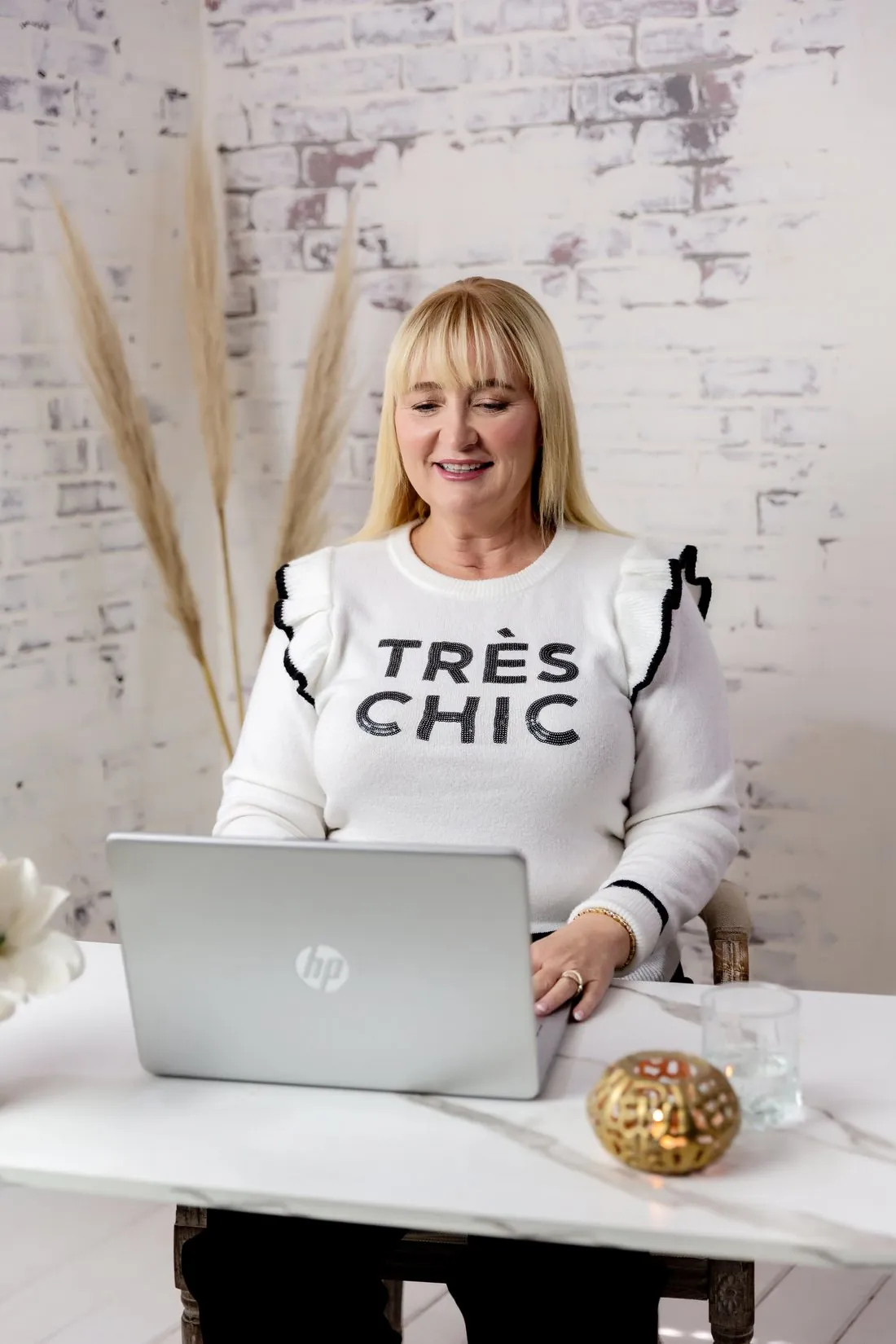
Teletherapy

Teletherapy can reduce travel and bring care into the client's everyday environment. It requires appropriate technology, privacy, communication access, and sufficient support for participation.

Often helpful when: travel is difficult, scheduling flexibility matters, home context supports the goals, and the client can participate effectively online.

About Care to Speak teletherapy
South Bay Office

In-person therapy

In-person sessions provide a dedicated physical setting with direct access to the clinician, materials, and environmental control without relying on a home internet connection.

Often helpful when: goals benefit from the office environment, physical materials, direct observation, hands-on support, or fewer screen-based demands.

About in-person therapy
Clinical and Practical Fit

6 factors behind the recommendation

Clinical goals

Some goals translate naturally to either format. Others may require materials, observation, physical support, or an in-person environment.

Participation

Attention, communication access, endurance, sensory needs, and comfort with a screen can affect online participation.

Technology

Teletherapy requires a reliable connection, suitable device, audio and video access, and basic troubleshooting support.

Environment and privacy

The client needs a safe, sufficiently private space with manageable distractions and any required communication access.

Caregiver or facilitator support

Some children and adults benefit from a trained caregiver, teacher, aide, or care partner supporting the session.

Location and licensure

The clinician must be permitted to provide services where the client is physically located at the time of the session.

Siobhain McHale providing secure online speech therapy
The Plan Can Evolve

Format is part of the care plan, not a permanent label

A client may begin in one format and later reconsider as goals, health, school or work demands, technology, travel, caregiver availability, or participation change.

Care to Speak evaluates the fit of the delivery method alongside the clinical plan and can discuss whether another format or coordinated support would better serve the current goals.

Discuss Your Options
Care Format FAQs

Common questions

Is teletherapy appropriate for every client?

No. Clinical goals, attention, communication access, technology, privacy, environmental support, and the need for hands-on assistance all affect whether teletherapy is a good fit.

Can children receive speech therapy online?

Yes, when teletherapy fits the child's goals and participation needs and an appropriate caregiver or facilitator is available when needed.

Can adults receive speech therapy online?

Yes, when the format is clinically appropriate and the client has the technology, privacy, communication access, and support needed to participate.

Can a care plan use both online and in-person sessions?

A care format can be reconsidered as goals, access needs, health, technology, or participation change. The recommended format is individualized rather than fixed for every client.

Choose a format with clinical fit in mind

Describe the goals, location, technology, environment, and support available. Care to Speak will help determine whether teletherapy or in-person care is the stronger starting point.